Understanding Mini Split AC Units
The need for efficient and reliable climate control in homes and businesses has never been greater. As temperatures rise and energy costs fluctuate, homeowners and business owners alike are seeking alternatives to traditional air conditioning systems. A prominent solution that has gained traction is the mini split ac unit. This versatile and compact system provides both cooling and heating solutions, making it an ideal choice for various settings.
What is a Mini Split AC Unit?
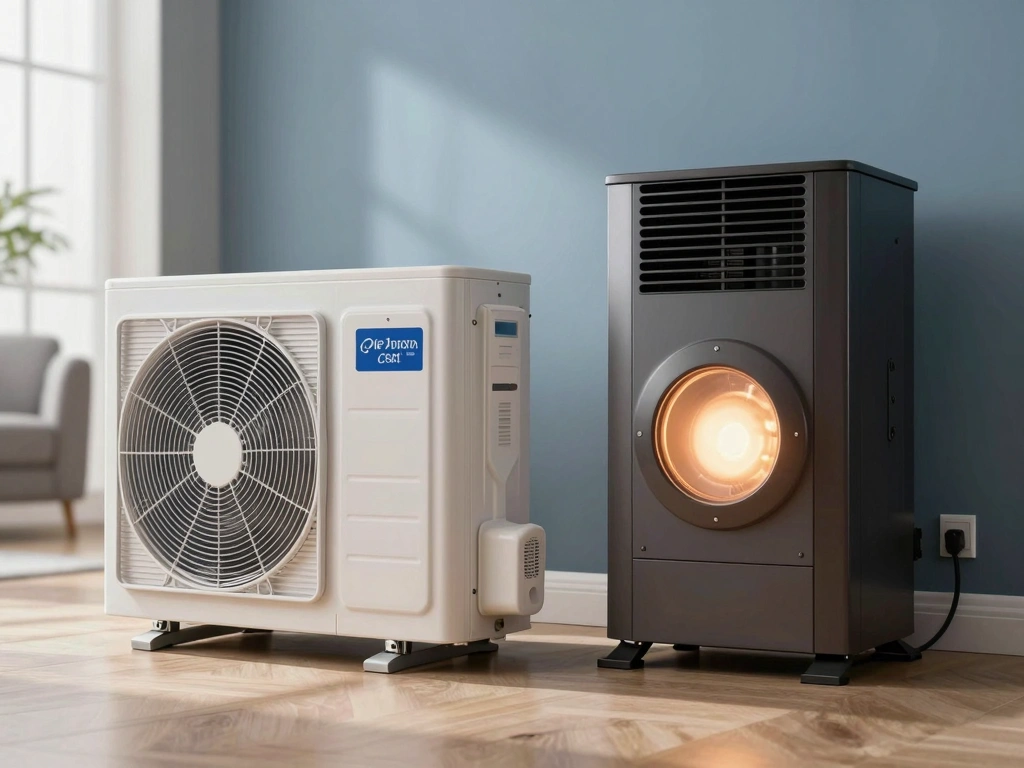
A mini split AC unit is a ductless air conditioning system that consists of two main components: an indoor unit and an outdoor condenser. The indoor unit is typically wall-mounted or ceiling-mounted and distributes conditioned air throughout the space, while the outdoor unit is responsible for heat exchange with the external environment. Mini splits are known for their flexibility, allowing for zoning options that enable different rooms to maintain different temperatures according to individual preferences.
Key Components and Their Functions
- Indoor Unit: Houses the evaporator coil and blower fan. It is the part that delivers cooled air into the room.
- Outdoor Unit: Contains the compressor and condenser. This unit expels heat absorbed from the indoor air to the outside.
- Refrigerant Lines: These are insulated tubing that connects the indoor and outdoor units, allowing the refrigerant to flow between them.
- Remote Control: Many mini splits come with a remote control for easy adjustment of temperature, mode, and fan speed.
Benefits of Using Mini Split Systems
Mini split systems offer numerous advantages that make them a compelling option for cooling and heating:
- Energy Efficiency: Mini splits generally have higher SEER (Seasonal Energy Efficiency Ratio) ratings compared to traditional systems, resulting in lower energy bills.
- Zoning Capability: Each indoor unit can be controlled independently, making it possible to only cool or heat occupied spaces.
- Easy Installation: The lack of ductwork simplifies the installation process, reducing labor costs and time.
- Quiet Operation: Mini splits operate more quietly than traditional units, providing a more comfortable environment.
Energy Efficiency and Cost Savings
In an era where energy conservation is paramount, understanding how mini split AC units work to save energy is essential for cost-conscious consumers. With rising global temperatures, an efficient cooling system can significantly alleviate energy expenditure.
How Mini Split AC Units Save Energy
Mini splits save energy primarily through their inverter technology, which adjusts the compressor speed to maintain the desired temperature without excessive cycling. This leads to substantial energy savings, especially in comparison to traditional systems that often turn on and off entirely.
Comparing Costs: Mini Split vs. Traditional Systems
While the initial investment in a mini split AC system can be higher than that of a traditional window or central air conditioner, the long-term savings on energy bills and maintenance costs can offset this expense. Additionally, with fewer energy losses due to ductwork (which can account for 20-30% energy loss), mini splits are often more economical over time.
Understanding SEER Ratings and What They Mean
SEER ratings measure the efficiency of air conditioning systems over a cooling season. A higher SEER rating indicates greater efficiency. Most modern mini split AC units feature SEER ratings of 15 or above, compared to traditional systems that may range from 8 to 12. Choosing a mini split with a higher SEER rating can lead to more significant energy savings and a reduced carbon footprint.
Installation Process of Mini Split AC Units
Successful installation of a mini split AC unit is crucial to its performance and longevity. The installation is less invasive than traditional systems, but it still requires careful planning and execution to ensure optimal functionality.
Step-by-Step Installation Guide
- Select a Location: Choose appropriate locations for the indoor and outdoor units, ensuring proper airflow and minimal obstructions.
- Mount the Indoor Unit: Securely mount the indoor unit on the wall, ensuring it is level and has the correct height for airflow.
- Install the Outdoor Unit: Place the outdoor unit on a stable surface and ensure it is properly anchored to withstand wind and weather conditions.
- Connect Refrigerant Lines: Use insulated tubing to connect the indoor and outdoor units, ensuring all fittings are tight and leak-free.
- Test the System: After connecting the units, test the system to verify proper operation and check for any refrigerant leaks.
Hiring a Professional vs. DIY Installation
While DIY installation is possible for experienced homeowners, hiring a professional is often recommended. Professionals have the experience and tools required to ensure the system is installed correctly, compliant with local codes, and operating efficiently. Furthermore, many manufacturers' warranties may require professional installation to remain valid.
Common Challenges During Installation
Some challenges homeowners may encounter during installation include:
- Identifying suitable locations for the indoor and outdoor units.
- Overcoming obstacles such as electrical wiring and plumbing.
- Ensuring proper insulation and sealing of refrigerant lines to prevent energy loss.
Maintenance and Troubleshooting
Regular maintenance is essential for maximizing the lifespan and efficiency of a mini split AC unit. Understanding the basics of maintenance and troubleshooting can save you time and money in the long run.
Routine Maintenance Tips for Optimal Performance
- Clean or Replace Filters: Check and clean or replace filters every month to ensure unobstructed airflow and efficient operation.
- Inspect the Outdoor Unit: Keep the outdoor unit free from debris, leaves, and other obstructions that may hinder airflow.
- Schedule Annual Professional Maintenance: Have a technician inspect the system yearly to check for leaks, refrigerant levels, and overall performance.
Signs Your Mini Split AC Needs Repair
Being aware of potential issues can help you address them before they escalate. Key signs include:
- Unusual noises coming from the unit.
- Inconsistent temperatures between rooms.
- Increased energy bills without significant changes in usage.
DIY Troubleshooting Techniques
If your mini split unit is not performing as expected, there are several DIY troubleshooting techniques you can employ:
- Check the thermostat settings to ensure it is set to cooling mode.
- Inspect the air filters for dirt and debris; clean or replace them as needed.
- Examine the refrigerant lines for any visible issues, such as ice build-up or leaks.
The Future of Mini Split Technology
As technology continues to advance, mini split systems are evolving to meet the demands of modern users. Understanding these emerging trends will help you make informed decisions about your heating and cooling needs.
Emerging Trends in AC Technology for 2026
Expect to see increased adoption of smart technology in mini split units, allowing for remote control via smartphones and integration with home automation systems. Features such as energy usage tracking and programmable settings will become standard, enhancing user experience and energy management.
Innovative Features to Look For
When considering a mini split ac unit, look for models that offer:
- Multi-zone capabilities: Ability to cool or heat multiple rooms with a single outdoor unit.
- Advanced filtration: Systems featuring HEPA filters to improve air quality by capturing allergens and pollutants.
- Eco-friendly refrigerants: New refrigerants that have a lower environmental impact and improved efficiency.
Environmental Impact and Sustainability Considerations
As climate change becomes an increasingly urgent issue, the HVAC industry is responding by developing systems that limit environmental impact. Mini split systems, particularly those utilizing energy-efficient technology and eco-friendly refrigerants, align well with sustainability goals.