Understanding the Basics of Ceiling Speakers
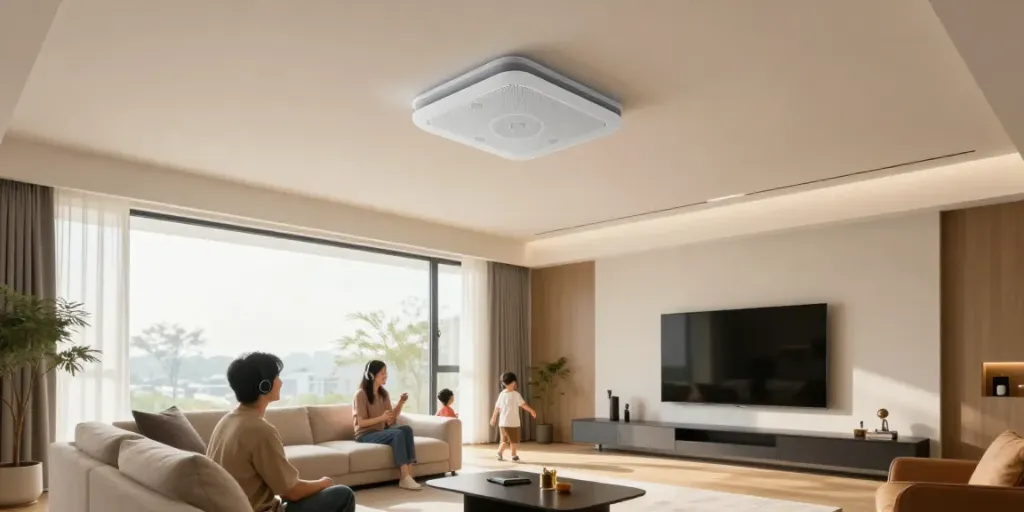
Ceiling speakers are an innovative solution for modern audio systems, designed to integrate seamlessly into residential and commercial spaces. These speakers offer a discreet way to enjoy high-quality sound without the clutter of traditional speaker setups. When exploring options, اسپیکر سقفی provides comprehensive insights into the varieties and features available in the market today. These speakers can enhance audio experiences by utilizing available ceiling space effectively, ensuring sound is distributed evenly throughout a room.
What is a Ceiling Speaker?
A ceiling speaker is an audio device mounted into the ceiling, designed to provide high-quality sound without sacrificing floor space. Ideal for various settings, including homes, offices, restaurants, and retail spaces, these speakers can be either in-ceiling (flush-mounted) or surface-mounted, depending on design preferences and installation capabilities. The primary function of ceiling speakers is to deliver sound discreetly while blending with the overall aesthetic of the room.
Types of Ceiling Speakers available in 2026
As of 2026, there are several varieties of ceiling speakers available to meet diverse audio needs:
- In-Ceiling Speakers: Installed flush with the ceiling, these speakers are designed to blend in and are often chosen for their discreet appearance.
- Surface-Mounted Speakers: These are mounted directly onto the ceiling surface, making them easier to install and often more versatile in terms of placement.
- Smart Ceiling Speakers: These feature connectivity options such as Bluetooth or Wi-Fi, allowing users to stream audio directly from their devices.
- Weather-Resistant Speakers: Ideal for outdoor settings, these speakers are built to withstand the elements without compromising sound quality.
- Passive vs. Active Speakers: Passive speakers require an external amplifier to function, whereas active speakers have built-in amplifiers.
Key Features to Consider in a Ceiling Speaker
When choosing ceiling speakers, there are several key features to consider:
- Sound Quality: Look for speakers with a wide frequency response and good bass handling to ensure an immersive audio experience.
- Power Rating: Measured in watts, a higher wattage typically indicates a more powerful speaker capable of louder volumes.
- Installation Type: Consider whether you want a flush-mounted or surface-mounted system based on your aesthetic preferences and installation requirements.
- Connectivity Options: For smart ceiling speakers, ensure they support Bluetooth, Wi-Fi, or other audio streaming technologies.
- Durability: If placing speakers in high-humidity areas like bathrooms or outside, choose weather-resistant options.
Benefits of Installing Ceiling Speakers
Ceiling speakers offer multiple advantages that enhance both audio clarity and aesthetic appeal in any setting.
How do Ceiling Speakers enhance Home Audio Experience?
Ceiling speakers can transform the audio experience in your home by providing an immersive sound environment. They distribute sound evenly across a room, reducing dead spots and ensuring that every listener enjoys the same quality experience regardless of their location.
Advantages over Traditional Speaker Systems
Compared to traditional speaker setups, ceiling speakers provide a cleaner look, removing the clutter of cables and bulky equipment. They also free up floor space, making them ideal for smaller rooms or open-plan areas. Furthermore, ceiling speakers can be integrated into a home automation system, enabling users to control audio through voice commands or mobile applications.
Impact on Interior Design with Ceiling Speakers
One of the significant benefits of ceiling speakers is their ability to blend into the interior design of a space. By eliminating visible speakers, homeowners can maintain a clean and modern aesthetic while still enjoying high-quality sound. The variety of designs available means that they can complement any decor style.
Choosing the Right Ceiling Speaker for Your Space
Selecting the correct ceiling speaker involves understanding your room's specific needs and how acoustic dynamics interact with your environment.
How to Assess Your Room’s Acoustic Needs?
To determine the best ceiling speakers for your space, start by assessing the room's size, shape, and materials. Larger rooms may benefit from higher wattage speakers, while smaller spaces might be adequately served by lower-wattage options. Additionally, consider the room's furnishings, as carpets and heavy drapes can absorb sound, whereas hard surfaces may reflect it.
What Wattage is Right for Your Ceiling Speaker?
The appropriate wattage for ceiling speakers depends on the intended use of the space. For casual listening in a bedroom or small living room, a speaker with a power rating of around 20-40 watts may suffice. However, for larger spaces or environments where sound needs to carry over background noise, speakers rated from 50 watts and above are advisable.
Essential Connectivity Features for Smart Homes
In an increasingly connected world, choosing speakers that integrate with smart home systems is crucial. Look for speakers that feature Bluetooth connectivity for quick access and control from mobile devices, as well as Wi-Fi capabilities for seamless streaming and smart device integration. This enables users to create a robust multi-room audio system.
Installation Considerations for Ceiling Speakers
Proper installation is essential to ensure optimal performance and longevity of your ceiling speakers. Understanding the differences between professional installation and DIY approaches will also help determine the best route for you.
Professional Installation vs. DIY: Pros and Cons
While DIY installation can save costs, it may not always yield the best results, particularly if you are unfamiliar with audio systems. Professional installers have the experience and tools necessary to guarantee that speakers are placed in optimal positions, ensuring maximum sound quality. On the other hand, DIY allows for more control over the process and can be quite rewarding for those with technical skills.
Best Locations for Optimal Sound Distribution
In ideal cases, ceiling speakers should be installed at least 1-2 feet away from walls to ensure even sound distribution. Central locations often provide the best acoustics, allowing sound to travel evenly throughout the space without significant reflections or dead zones. Additionally, avoid placing speakers directly over seating areas, as this can lead to overly direct sound and an uncomfortable listening experience.
How to Avoid Common Installation Mistakes?
Common installation mistakes include improper placement of speakers and poor wiring techniques. To avoid these pitfalls, ensure to consult the manufacturer’s guidelines regarding optimal speaker positioning and installation techniques. Furthermore, conducting a sound test after installation can help identify any issues that need addressing.
Future Trends in Ceiling Speaker Technology
The audio landscape is ever-evolving, and ceiling speakers are no exception. Several trends are emerging that could redefine the market in the near future.
What Innovations to Expect in Ceiling Speaker Design?
Future ceiling speakers are likely to incorporate advanced technologies such as adaptive sound systems that can adjust their output based on the acoustic environment. Additionally, integration with artificial intelligence will enable speakers to personalize the listening experience based on user preferences and usage patterns.
Integrating Smart Home Ecosystem with Ceiling Speakers
The future will see more seamless integration of ceiling speakers within broader smart home ecosystems. Expect to see enhanced compatibility with devices like smart thermostats, lighting systems, and voice assistants such as Alexa or Google Assistant, allowing for coordinated audio control across multiple devices.
Predictions for Audio Quality Improvements in 2026
As technology advances, we anticipate significant improvements in audio quality for ceiling speakers. Innovations in driver materials and speaker design will likely lead to clearer sound reproduction and improved bass response, ensuring high-fidelity audio experiences throughout various environments.
What are Common FAQs about Ceiling Speakers?
As ceiling speakers gain popularity, many questions arise regarding their operation, installation, and maintenance:
- Are ceiling speakers easy to install? Installation can vary; while some models are designed for DIY, professional help is recommended for optimal results.
- What should I look for when purchasing ceiling speakers? Consider sound quality, power rating, connectivity options, and design compatibility with your space.
- Can I use ceiling speakers outdoors? Yes, but ensure you choose weather-resistant models designed for outdoor use.
When should I consider upgrading my Ceiling Speaker?
If your existing speakers no longer deliver the sound quality you expect or lack the connectivity features required for modern playback devices, it may be time to upgrade.
How do I maintain Ceiling Speakers for longevity?
Regular maintenance includes checking connections, dusting speaker grills, and ensuring that there are no obstructions around speakers that could impede sound quality. Consider having professional inspections every few years to ensure everything remains in optimal condition.