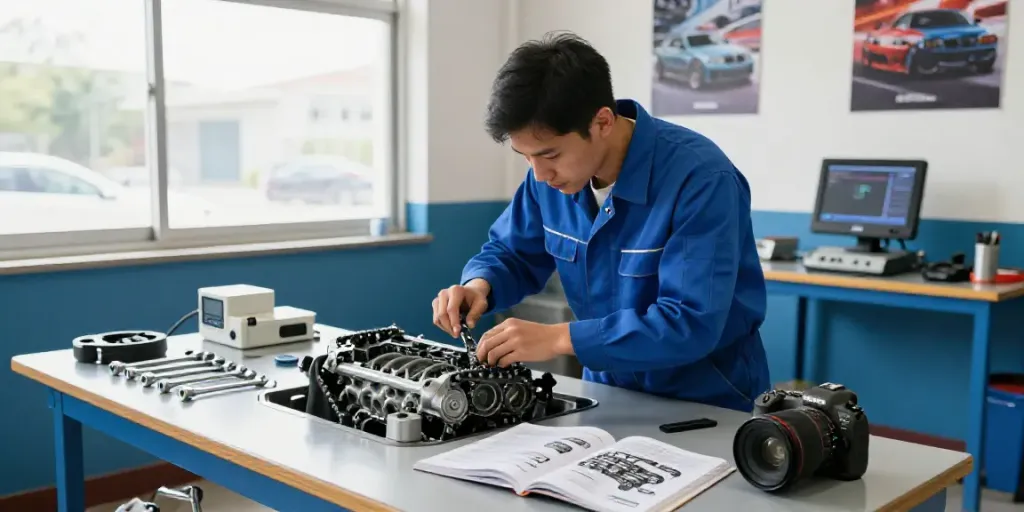
Understanding the BMW Timing Chain
For BMW enthusiasts and car owners alike, understanding the intricacies of your vehicle’s engine components is crucial. One such critical component is the timing chain, which plays a vital role in the overall performance and longevity of your BMW. In this guide, we'll delve into what a timing chain is, its importance, symptoms indicating a failure, and the necessity for a timely replacement. By comprehending these elements, you can ensure your vehicle remains in optimal condition and avoid costly repairs down the line.
What is the Timing Chain?
The timing chain is a vital part of an engine's internal components, ensuring that the engine's valves open and close at the proper times in relation to the position of the pistons. Unlike a timing belt, a chain is made from metal and is more durable, which can lead to a longer lifespan. However, wear and tear can still occur, particularly in high-performance vehicles such as BMWs.
Importance of the Timing Chain in BMW Vehicles
The timing chain is essential for synchronizing the engine's camshaft and crankshaft. In BMW vehicles, this synchronization is critical due to their performance-oriented design. A properly functioning timing chain ensures efficient engine operation, better fuel economy, and a reduction in harmful emissions. When the timing chain fails, it can lead to severe engine damage, which is why regular maintenance is necessary.
Symptoms of a Failing Timing Chain
- Rattling Noise: A rattling or grinding noise while the engine runs can indicate a loose or damaged timing chain.
- Check Engine Light: If the check engine light illuminates, it may be a sign of timing chain issues.
- Engine Misfiring: Irregular engine performance or misfiring can occur if the timing chain is not functioning properly.
- Oil Leaks: If you notice oil leaks near the front of the engine, it could stem from a timing chain tensioner issue.
Cost Analysis of BMW Timing Chain Replacement
Replacing a timing chain can be a significant financial commitment for BMW owners, but understanding the average costs associated with this repair can prepare you for the journey ahead. Factors such as model, labor rates, and geographical location play an important role in determining the final cost. When exploring options, bmw steuerkette wechseln provides comprehensive insights that can help you make informed decisions.
Average Costs for Different BMW Models
The costs for replacing the timing chain vary significantly between different BMW models. On average, you can expect to pay:
- BMW 1 Series: $1,200 - $2,000
- BMW 3 Series: $1,500 - $2,500
- BMW X5: $2,000 - $3,000
These prices can fluctuate based on whether you choose to go to a dealership or an independent mechanic.
Factors Affecting Replacement Costs
- Labor Costs: Dealerships often charge higher labor rates compared to independent shops.
- Parts Quality: OEM parts are generally more expensive than aftermarket options.
- Engine Type: Engines with more complex setups may require additional time and expertise, increasing costs.
Cost-effective Options for Timing Chain Replacement
To minimize costs, consider the following options:
- Seek quotes from multiple mechanics to find competitive pricing.
- Inquire about warranty on parts and labor.
- Consider using high-quality aftermarket parts, if they meet OEM requirements.
When to Replace Your BMW Timing Chain
Knowing when to replace your timing chain can save you from extensive repairs and engine failure. Regular maintenance checks that include timing chain inspections can help catch potential issues before they escalate.
Signs It's Time for a Replacement
- Unusual Noises: If you hear rattling noises, it's time for an inspection.
- Check Engine Light: Ignoring this warning could lead to more severe issues.
- Oil Leaks: Keep an eye out for oil stains on your garage floor or driveway.
Scheduled Maintenance Intervals
While some BMW models may have specific intervals for timing chain replacement, it’s generally recommended to inspect the timing chain every 60,000 to 100,000 miles. Keeping a regular maintenance schedule allows you to stay ahead of potential issues.
Consequences of Delaying Replacement
Neglecting to replace a failing timing chain can lead to catastrophic engine damage. In the worst-case scenario, the timing chain may snap, causing the pistons to collide with open valves, resulting in extensive repairs that could be financially crippling.
Step-by-Step Guide to BMW Timing Chain Replacement
For the DIY enthusiast, replacing a timing chain can be a rewarding, albeit challenging, endeavor. Below is a step-by-step guide for those brave enough to take on this task.
Preparing for the Replacement
Before diving in, ensure you have the following:
- A comprehensive repair manual specific to your BMW model.
- A well-equipped toolset, including wrenches, pliers, and a torque wrench.
- Safety equipment, including gloves and safety glasses.
Tools and Equipment Needed
- Torque wrenches
- Piston hold tool
- Gloves and goggles
- Replacement timing chain kit
Detailed Replacement Procedure
- Disconnect the battery and drain the engine oil.
- Remove any components obstructing access to the timing chain: this may include the engine cover, timing chain cover, and other accessories.
- Carefully remove the old timing chain, taking note of its position for proper alignment of the new chain.
- Install the new timing chain, ensuring that it is aligned with the timing marks on the gears.
- Reassemble all components in reverse order, ensuring all bolts are properly torqued to specifications.
- Reconnect the battery and refill the engine with oil.
- Start the engine and listen for unusual noises.
Future Trends in BMW Engine Maintenance
The automotive industry is constantly evolving, and so are the maintenance practices for BMW vehicles. Understanding these trends can help you stay ahead in keeping your car in prime condition.
Innovative Technologies Impacting Repair Processes
Advancements in diagnostic technologies are enabling mechanics to identify timing chain issues more quickly and accurately, leading to more efficient repairs. Tools that provide real-time data about engine performance are becoming standard in shops.
Emerging Best Practices in Engine Maintenance
Regular software updates and monitoring of engine performance are becoming critical in preventative maintenance. Many new BMW models come equipped with onboard diagnostics that alert owners to potential issues before they become severe.
Predictions for 2026 and Beyond
By 2026, we anticipate increased use of artificial intelligence in diagnostic processes, making it easier for mechanics to pinpoint issues accurately. Additionally, proactive maintenance strategies will likely become the norm, leading to longer lifespans for engines and greater efficiency across the board.
What does it cost to replace the timing chain in a BMW?
The cost to replace a BMW timing chain varies based on the model and mechanic but typically ranges from $1,200 to $3,000.
When should I schedule my BMW for a timing chain replacement?
It's best to schedule a timing chain inspection every 60,000 to 100,000 miles, or sooner if you notice any symptoms of a failing chain.
Which BMW models are more prone to timing chain issues?
Models such as the BMW N47 and N57 engines have historically reported more issues with timing chains, making them particularly susceptible to failure.
How can I tell if my BMW needs a timing chain replacement?
Look for signs such as unusual noises from the engine, the check engine light being illuminated, or oil leaks near the timing chain area.
Is there a DIY option for replacing the timing chain in BMWs?
While feasible, replacing a timing chain as a DIY project requires significant mechanical knowledge and appropriate tools. It's not recommended for novices due to the complexity involved.