Understanding the AI Data Center Landscape
The realm of artificial intelligence (AI) is rapidly evolving, driven by the demand for high-performance computing capabilities necessary for processing vast datasets. At the heart of this evolution lies the AI data center—a facility designed to meet the specific needs of AI technologies. These centers are integral to training, deploying, and maintaining AI applications, positioning themselves as a crucial asset in the modern technological landscape. When exploring options, AI data center solutions can provide comprehensive insights into how to effectively integrate AI capabilities into your infrastructure strategy.
What is an AI Data Center?
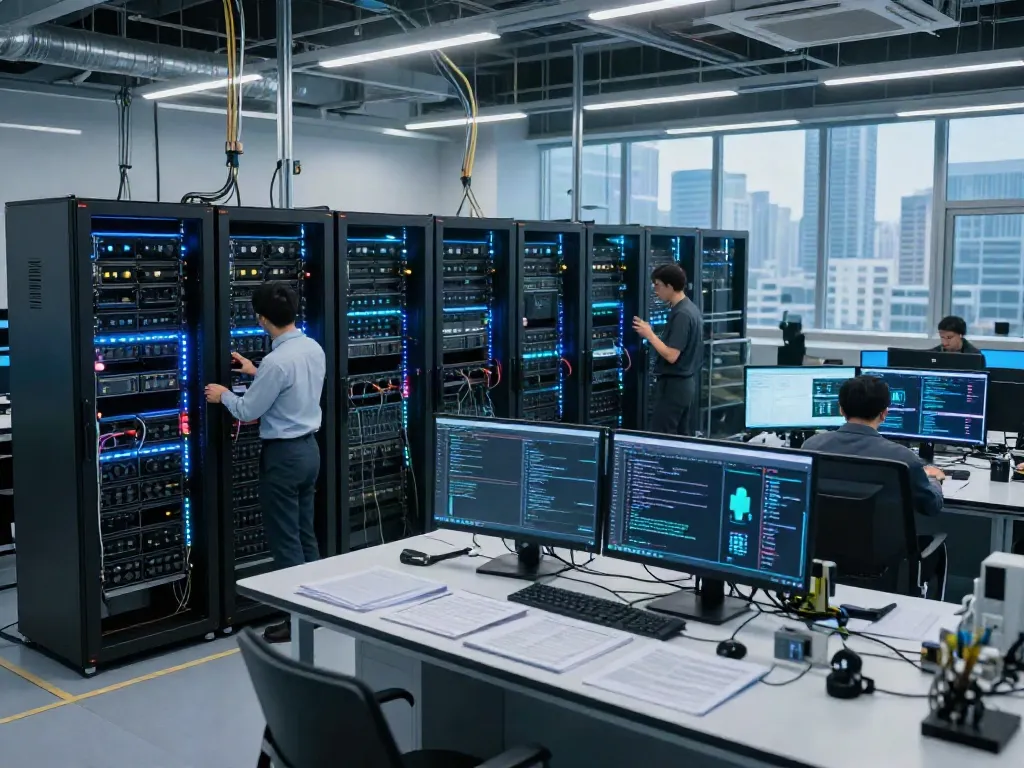
An AI data center is a specialized facility that houses the infrastructure necessary for executing AI workloads, particularly those that require substantial computational power, such as deep learning and machine learning tasks. These centers typically utilize advanced hardware, such as Graphics Processing Units (GPUs), which are essential for handling the parallel processing needs of AI applications. Unlike traditional data centers, which are optimized for general IT workloads, AI data centers are tailored to the unique requirements of AI models, which often involve complex algorithms and high data throughput.
Comparison of AI Data Centers vs. Traditional Data Centers
The primary difference between AI data centers and traditional data centers lies in their design and operational focus. Traditional data centers generally prioritize storage, security, and networking capabilities, making them suitable for standard applications and data processing tasks. In contrast, AI data centers are built to accommodate the high-density computing needs of AI applications. They often feature:
- Optimized Cooling Solutions: AI workloads generate excessive heat, necessitating advanced cooling technologies to maintain optimal operating conditions.
- High-Performance Hardware: The use of GPUs and specialized processors that can handle intensive computational tasks is a hallmark of AI data centers.
- Scalable Architecture: AI data centers are designed to easily scale resources based on fluctuating demand, ensuring they can handle varying workloads efficiently.
Key Components of an AI Data Center
AI data centers comprise several critical components that together provide the necessary framework for AI operations. Key components include:
- High-Speed Networking: AI data centers require robust networking capabilities to facilitate swift data transfer between servers and storage systems.
- Massive Storage Solutions: Given the data-intensive nature of AI workloads, these data centers often employ high-capacity storage solutions, such as cloud storage and on-premises servers.
- Power Management Systems: Efficient power management is vital to support the extensive energy demands of AI applications and ensure operational reliability.
Power Requirements for AI Data Centers
Power consumption is a significant concern for AI data centers, as the computational tasks required to train AI models can lead to substantial energy demands. Understanding these power requirements is essential for optimizing efficiency and ensuring sustainability in AI operations.
Energy Consumption and Efficiency in AI Infrastructure
AI data centers consume energy at levels significantly higher than traditional data centers due to their reliance on GPUs and the sheer volume of calculations conducted. To address this challenge, many AI data centers implement strategies to enhance energy efficiency, such as:
- Utilizing Renewable Energy: Some facilities are transitioning to renewable energy sources, such as solar or wind power, to reduce their carbon footprint.
- Implementing Advanced Cooling Techniques: Efficient cooling systems, including liquid cooling and evaporative cooling, help mitigate heat while reducing energy consumption.
- Leveraging AI for Power Management: AI technologies can be deployed within the data center itself to optimize power usage based on real-time workload demands.
Future Trends in Renewable Energy for AI Data Centers
The future of AI data centers is increasingly intertwined with advancements in renewable energy. As the global push towards sustainability intensifies, data centers are exploring innovative ways to integrate renewable energy sources. Trends include:
- Energy Storage Solutions: The adoption of energy storage technologies, such as batteries, allows data centers to store excess energy generated from renewable sources for later use.
- Smart Grid Integration: AI data centers are beginning to connect to intelligent power grids that can dynamically allocate energy based on availability and demand.
- Partnerships with Clean Energy Providers: Collaborations with renewable energy firms are becoming common, helping to ensure that data centers can operate sustainably.
Strategies for Optimizing Power Usage
To maintain operational efficiency, AI data centers must continually optimize their power usage. Some effective strategies include:
- Dynamic Resource Allocation: Implementing systems that adjust power supply in real-time based on workload demands can enhance efficiency.
- Regular Audits and Assessments: Conducting energy audits can help identify areas where power consumption can be reduced.
- Using AI for Predictive Maintenance: AI solutions can forecast equipment failures, allowing for timely interventions that can minimize downtime and energy waste.
AI Data Center Technology and Innovations
Technological innovations are driving the evolution of AI data centers, making them more efficient and better suited to meet the demands of modern AI applications. Staying abreast of the latest advancements is crucial for stakeholders in the AI data center landscape.
Emerging Technologies in AI Data Centers
Several emerging technologies are reshaping the AI data center environment. These include:
- Quantum Computing: While still in its infancy, quantum computing holds the potential to revolutionize data processing speeds, making it a compelling area for future AI data centers to explore.
- Edge Computing: The rise of edge computing allows data processing to occur closer to the data source, reducing latency and improving real-time data handling for AI applications.
- AI-Optimized Hardware: New hardware developments are focused specifically on enhancing the performance of AI workloads, offering better processing capabilities and energy efficiency.
How AI is Used to Manage Data Center Operations
AI technologies are not only utilized within the data workloads but also play a critical role in managing data center operations. AI can enhance operational efficiency through:
- Predictive Analytics: AI tools can analyze operational data to predict outages, maintenance needs, and other critical operational aspects.
- Automated Resource Management: AI systems can dynamically allocate resources, optimizing usage and reducing waste.
- Enhanced Security Measures: Utilizing machine learning algorithms can help identify and mitigate potential security threats in real-time.
Case Studies of Cutting-Edge AI Data Centers
Real-world examples illustrate how innovative AI data centers are changing the landscape. Prominent cases include:
- Google's DeepMind: This facility employs advanced cooling methods that utilize AI to predict energy usage and adjust systems for optimal performance.
- NVIDIA's DGX Station: This AI supercomputer system showcases the integration of high-performance computing under a streamlined, efficient data center architecture.
- Microsoft Azure AI: Microsoft has been investing heavily in sustainable energy, aiming for its data centers to be carbon negative by 2030.
Challenges in the AI Data Center Ecosystem
Despite the advancements in AI data center technology, several challenges persist that impact operational efficiency and sustainability. Recognizing and addressing these issues is vital for stakeholders.
Security Concerns with AI Data Centers
As AI data centers become more integral to business operations, security challenges also increase. Key concerns include:
- Cybersecurity Threats: The sensitive data involved in AI processes makes these centers prime targets for cyber attacks.
- Data Privacy Regulations: Adhering to regulations like GDPR can pose challenges in managing data responsibly.
- Physical Security Risks: Ensuring the physical security of data centers is critical, given the valuable hardware and data they contain.
Scalability Issues and Solutions
With the rapid growth of AI capabilities, scalability is a pressing concern for data centers. Some potential solutions include:
- Modular Designs: Implementing modular data center designs allows for a more flexible approach to scaling resources as needed.
- Hybrid Cloud Strategies: Combining on-premises solutions with cloud resources can provide the agility required to scale operations efficiently.
- Advanced Networking Solutions: Upgrading network capabilities to support higher data throughput can facilitate smoother scalability.
Regulatory and Compliance Challenges
AI data centers face a complex web of regulatory requirements that can complicate operations. Common challenges include:
- Enviromental Regulations: Many data centers must comply with local and national environmental laws, which can impose limits on energy consumption and emissions.
- Data Protection Laws: Ensuring compliance with data protection regulations requires robust operational practices and technology.
- Industry Standards: Adhering to standards set by organizations such as the ISO or NIST can be resource-intensive and complex.
Your Role in the AI Data Center Economy
As AI technologies continue to permeate various sectors, understanding your role within the AI data center economy is crucial. Active participation can enhance your organization’s capabilities and contribute to the broader industry landscape.
How to Choose the Right AI Data Center for Your Needs
Selecting the appropriate AI data center requires careful consideration of several factors, including:
- Performance Requirements: Evaluate workload demands to ensure the data center can support intensive computational tasks.
- Scalability Options: Consider future growth potential and how easily the data center can adapt to changing needs.
- Cost Transparency: Understand the pricing models to avoid unexpected operational costs.
Participating in the AI Data Center Market
Engaging in the AI data center market can provide numerous advantages, such as:
- Access to Cutting-Edge Technology: Participation often grants access to the latest advancements in AI and cloud computing.
- Collaboration Opportunities: Being part of the AI data center ecosystem can foster collaboration with other technology leaders.
- Enhanced Scalability: Leveraging shared resources allows for easier scaling of operations as business needs evolve.
Understanding the Financial Metrics of AI Data Centers
For investors and stakeholders, comprehending the financial metrics associated with AI data centers is essential. Key metrics to monitor include:
- Cost per Compute Unit: Assessing the cost-effectiveness of AI workloads is crucial for budgeting.
- Energy Efficiency Index: This index offers insight into how well the center is optimizing energy usage relative to its output.
- Return on Investment: Evaluating the ROI from AI initiatives can guide future investments and operational strategies.